SSATP at PRCA 2026: Advancing Rural Corridors for Jobs, Growth, and Resilient Food Systems
Kigali
Rwanda
February 16, 2026
- February 18, 2026
Road Asset Management
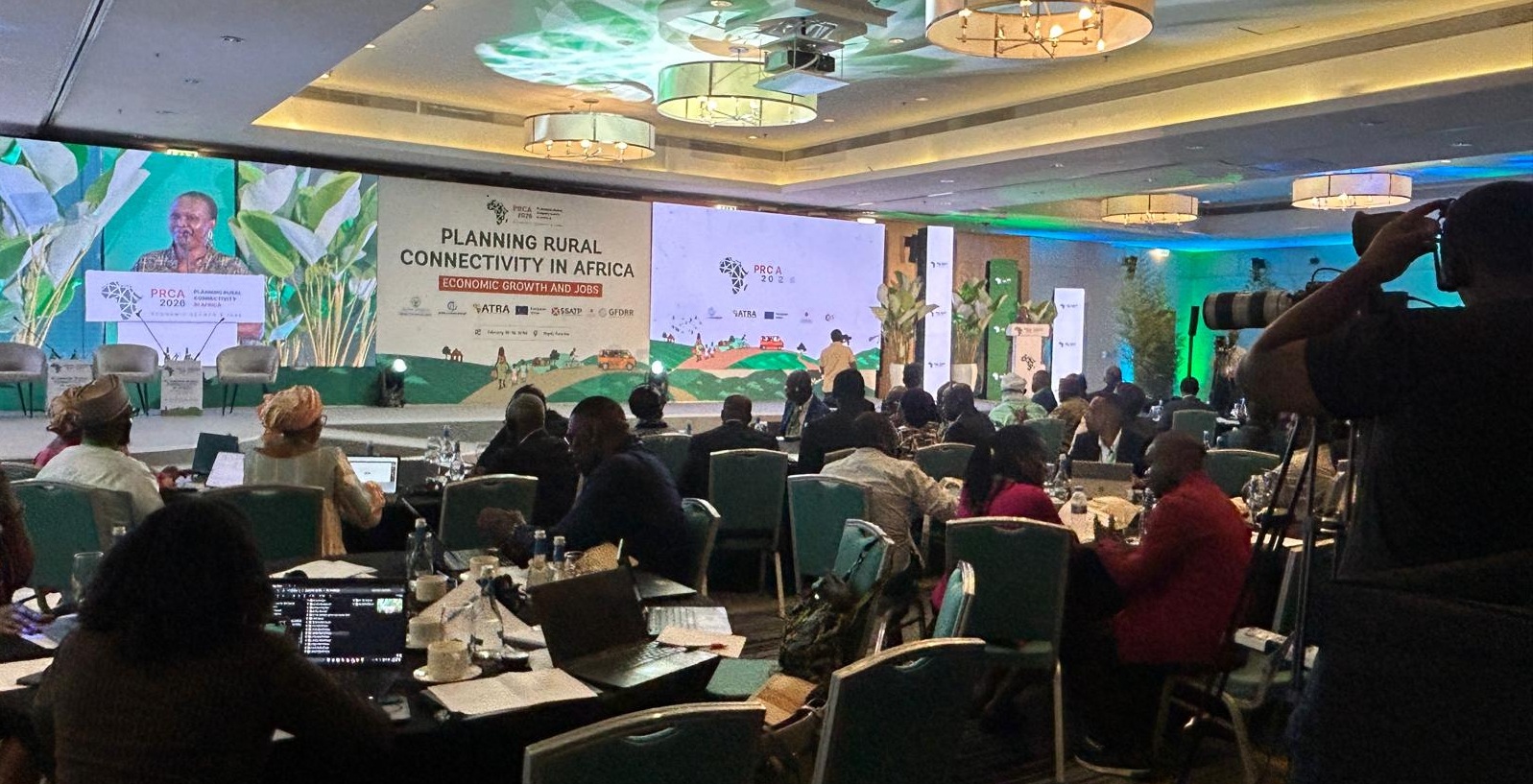
The regional conference Planning Rural Corridors in Africa: Connectivity, Economic Growth and Jobs (PRCA 2026) convened stakeholders from over 20 African countries in Kigali on February 16–18, 2026. It was co-hosted by the Government of Rwanda’s Ministry of Infrastructure (MININFRA) and the World Bank Group, and delivered in partnership with the Africa Transport Policy Program (SSATP), the European Union (EU), and the Africa Transportation Research Alliance (ATRA). The event brought together more than 150 policymakers, development partners, private sector actors, researchers, and technical experts to exchange practical experiences on planning and delivering rural corridors as a driver of inclusive growth, job creation, and resilient food systems across Sub-Saharan Africa. Throughout the event, SSATP’s engagement underscored two enabling priorities for rural corridors: resilient road asset management (RRAM)—including adequate maintenance and asset sustainability—and road safety, to help ensure that improved access is delivered safely and sustained over time.
Why rural corridors matter
Bringing together experiences from across the region, the forum highlighted how strategically planned rural corridors can reduce isolation, improve market access, strengthen logistics, and unlock economic opportunities for rural communities.
“Well-planned rural corridors are a powerful enabler of jobs, food system resilience, and regional integration,” said Sahr Kpundeh, the World Bank Country Manager for Rwanda. “This conference creates a valuable platform for countries to exchange practical solutions, deepen collaboration, and align investments that can deliver lasting development impact across rural areas.”
The conference responded to a critical challenge facing the continent: millions of rural Africans remain cut off from markets, services, and economic opportunities due to inadequate transport infrastructure. By focusing on rural corridor planning that integrates transport with agriculture, climate resilience, and private sector engagement, the event aimed to chart pathways for countries to transform isolated communities into productive economic hubs.
“Rural connectivity is fundamental to inclusive growth and shared prosperity,” said Dr Jimmy Gasore, Rwanda’s Minister of Infrastructure. “By strengthening rural corridors, we are not only improving access to markets and services, but also enabling communities to fully participate in economic transformation. Rwanda is pleased to host this important regional dialogue and to share experiences while learning from our peers across Africa.”
Sustaining rural connectivity over time
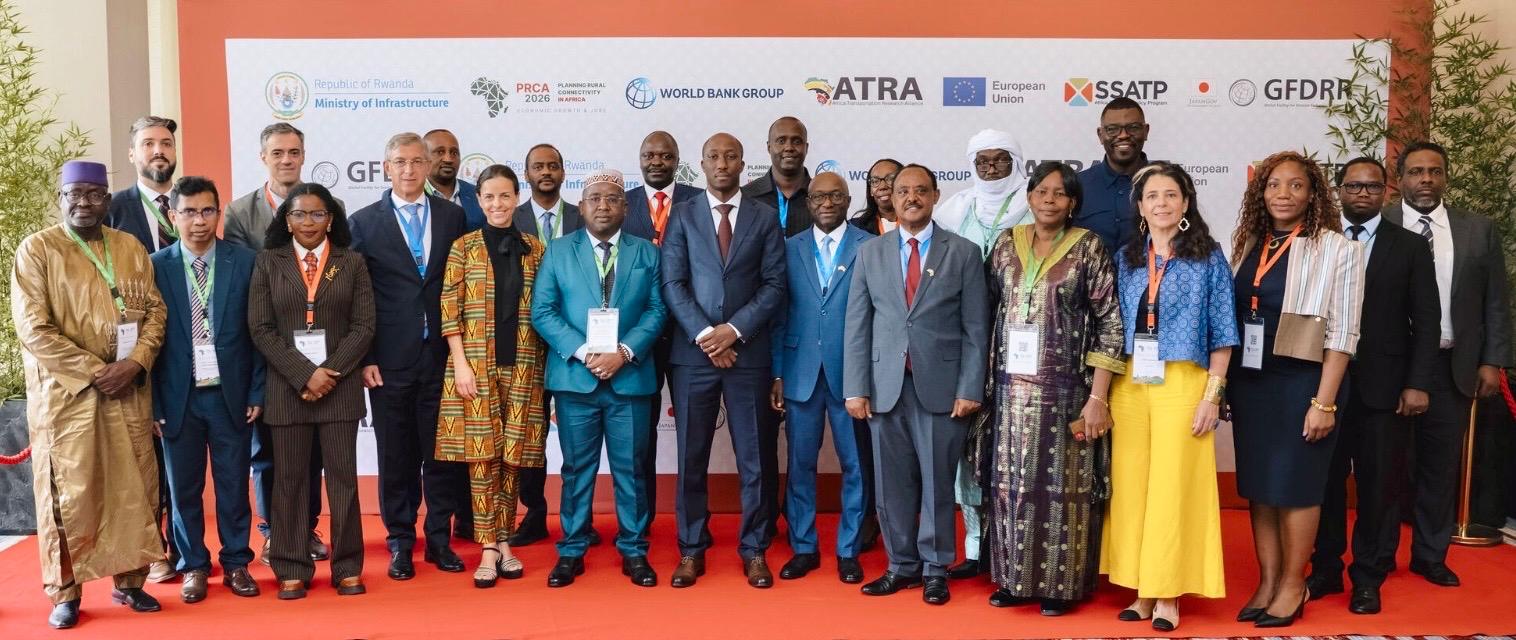 The conference also underscored the importance of long-term sustainability and strong partnerships in rural transport investments—particularly in safeguarding infrastructure assets and maximizing development impact. Sergio Oliete, Head of Unit for Sustainable Transport at the European Commission’s Directorate-General for International Partnerships (DG INTPA), emphasized the importance of maintaining rural infrastructure:
“Our experience financing rural roads in Africa shows that the real challenge begins after construction. Adequate maintenance is essential to safeguard investments, preserve rural accessibility over time, and ensure that communities and value chains can sustainably benefit from improved connectivity.”
Over three days, participants moved from high-level strategy discussions on transport design, agricultural integration, and innovative financing to implementation-focused exchanges, including country case studies and technological solutions for climate-resilient delivery. The conference concluded with a field visit that connected policy discussions with practical experience on the ground, including visits to the Gitenga Suspension Bridge and Rwanda Transport Development Agency (RTDA) feeder roads, illustrating how well-designed rural corridors can strengthen community access and economic potential.
“This conference goes beyond discussion, it is about learning from real experiences, connecting sectors, and identifying actionable pathways to strengthen rural logistics and transport systems,” said Binyam Reja, the World Bank Practice Manager for Transport Global Practice, East Africa. “By bringing together diverse actors, we aim to catalyze partnerships and innovations that support resilient and inclusive economic growth.”
Note: This SSATP story draws on information from the press release issued by the Government of Rwanda (MININFRA) and the World Bank Group (15 February 2026), and reflects SSATP engagement and thematic contributions highlighted during PRCA 2026.