From Risk to Resilience: A Practical Roadmap for Safer Commercial Motorcycles in Africa
Angola, Benin, Cameroon, Ethiopia, Kenya, Mozambique, Rwanda, Uganda
January 27, 2026
Road Safety
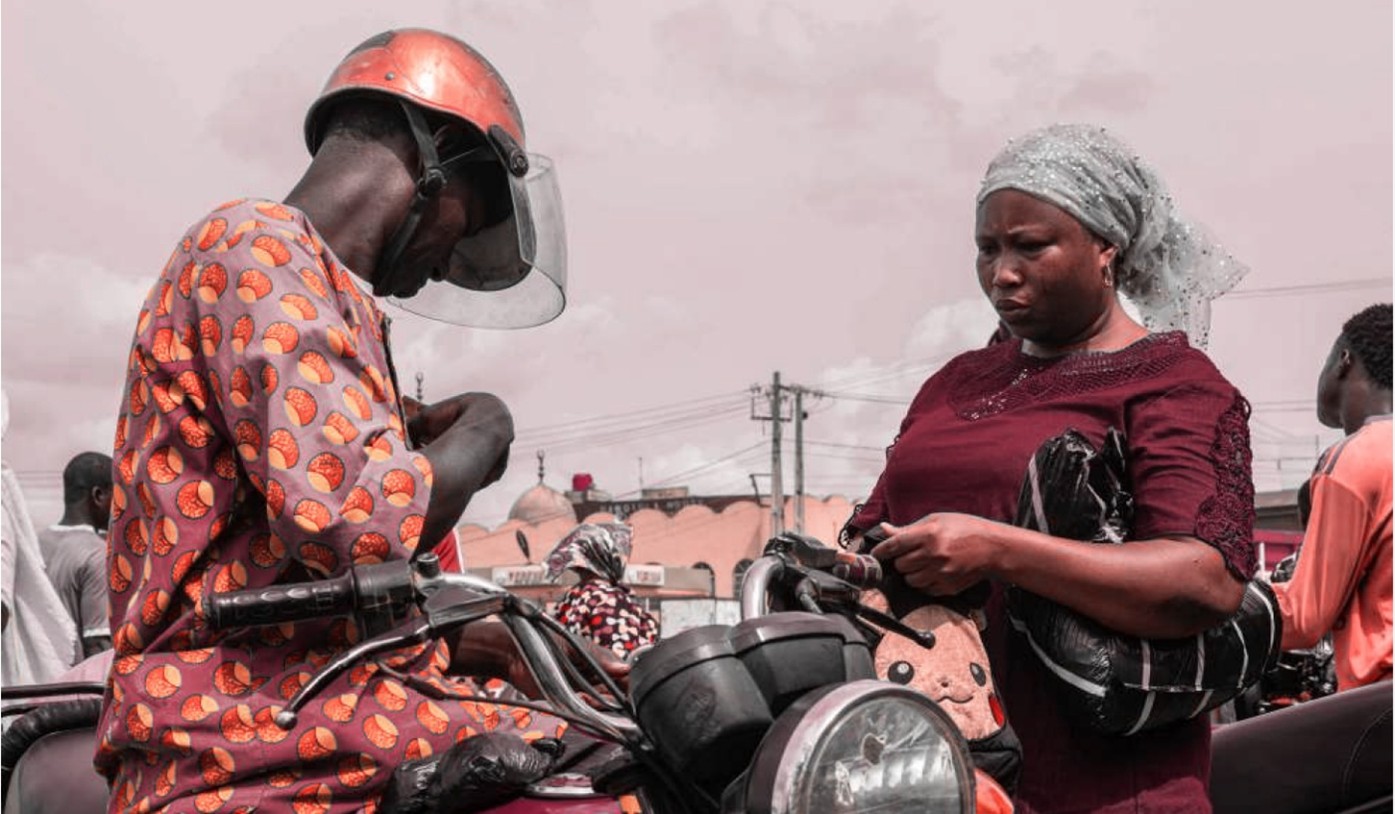
Commercial motorcycles—known locally as boda bodas, zemidjans, okadas, and more—form the backbone of everyday mobility in many African cities and towns. They provide fast, flexible, and affordable transport where formal public services remain limited, connecting people to jobs, schools, markets, and other essential services. The sector also supports millions of livelihoods, particularly for young people.
Yet this two-wheeled lifeline carries a heavy cost. Across the continent, motorcycle crashes represent a disproportionate share of road deaths, reflecting the rapid growth of the sector alongside persistent gaps in regulation, enforcement, and protection. In fact, motorcycle crashes account for roughly 30 to 60 percent of all road traffic fatalities, and in some contexts, even more. Behind these figures lie profound human and economic losses—families coping with death or permanent disability, disrupted livelihoods, and health systems strained by preventable trauma.
With the aim of significantly cutting motorcycle-related deaths and injuries, a new SSATP working paper, Guidelines for a Policy Framework to Enhance the Safety of Commercial Motorcyclists in African Countries, sets out a clear, evidence-based pathway to transform this high-risk, largely informal sector into a safer, more professional, and better-regulated component of national transport systems.
A Shared Safety Challenge Across the Continent
Drawing on regulatory reviews and stakeholder consultations in eight countries—Angola, Benin, Cameroon, Ethiopia, Kenya, Mozambique, Rwanda, and Uganda—the study identifies strikingly consistent challenges across the continent.
More than 70 percent of commercial riders operate informally, outside formal licensing, training, and insurance systems. Helmet use remains critically low, especially among passengers, and markets are often flooded with poor-quality helmets and unreliable gear. In most study countries, fewer than 15 percent of operators hold valid insurance, leaving riders and families financially exposed when a crash occurs.
Institutional and data gaps compound these risks. Responsibilities for motorcycle safety are typically fragmented across transport authorities, police, municipalities, and health agencies, with no single body clearly accountable for coordinating motorcycle safety. Crash data are scattered across police, hospital, and insurance databases, limiting governments’ ability to target enforcement or evaluate what is working and what is not.
Behind these statistics are deeper structural realities. Commercial motorcycling offers an entry point to employment for young people, yet riders often face stigmatization, limited access to finance, and weak social protection. Weak enforcement—often constrained by limited resources or undermined by corruption—combined with ineffective public awareness campaigns further exacerbates the problem.
A Practical Framework for Safer Motorcycle Mobility
Rather than prescribing a one-size-fits-all solution, the SSATP guidelines propose a phased, country-owned framework anchored in five mutually reinforcing pillars:
- Make quality helmets the norm, adopting and enforcing international helmet standards (e.g., UNECE 22.06), ensuring local market compliance, and using targeted subsidies or bulk procurement to make certified helmets affordable for riders and passengers. Sustained social-marketing campaigns and incentives to translate regulation into lasting behavior change.
- Formalize and professionalize the sector, introducing mandatory, competence-based training—tailored to motorcycle operations and local conditions—linked to tiered licensing systems. Digitizing rider and vehicle registration can simplify compliance, reduce fraud and corruption, and enable smart enforcement.
- Expand social protection and insurance, promoting micro-insurance products suited to riders’ incomes and risks and linking insurance requirements to licensing or cooperative membership. This cushions families and businesses against shocks and incentivizes safer practices.
- Strengthen integrated data systems, building centralized crash databases that connect police reports, hospital records, and insurance claims. This will help governments identify high-risk corridors, target enforcement, allocate resources more efficiently, and monitor progress over time.
- Improve governance and coordination, establishing national motorcycle safety coordination committees under ministries of transport, with clear mandates, stakeholder representation, and dedicated funding. These committees can steer multi-sectoral action on setting standards, enforcement, training, data, and industry (public-private) partnerships.
Early Results Point the Way Forward
The report spotlights promising models that are already delivering results. In Rwanda, organized rider cooperatives register and regulate operators, link them to insurance and training, and leverage peer monitoring to improve compliance. In Kenya, the National Transport and Safety Authority is advancing digital licensing and data systems that streamline oversight and enable more targeted interventions. In Angola, private sector’s training academies and telematics solutions demonstrate how technology and professionalization can elevate safety and service standards.
Taken together, these experiences—reinforced by evidence from the eight study countries and global practice—show that integrated approaches deliver the most durable safety gains. Countries that combine helmet standards, enforcement, training, insurance, and public communication, rather than addressing these elements in isolation, achieve faster and more sustained improvements in motorcycle safety.
Moving from Risk to Resilience
Consider a typical rider’s trajectory in a cooperative system: instead of operating on the margins, he gains access to certified training, a compliant helmet, and micro-insurance. Earnings stabilize as crashes decline and vehicle downtime drops. His passengers—often market vendors, students, or patients—arrive safely more often. The ripple effects extend to households (reduced catastrophic health costs), health facilities (fewer severe trauma cases), and local economies (more reliable last-mile connectivity). This is the transformation SSATP’s framework is designed to catalyze.
Governments, city authorities, cooperatives, private innovators, civil society, and development partners each have a role to play. With sustained commitment, Africa’s two-wheeled lifeline can become safer, more professional, and more inclusive—moving the continent decisively from risk to resilience.